

Welcome to SIKHI MERI PEHCHAN

Purity Comes From Faith

About THE SIKHI

GOD Help Those Who Help Themselves

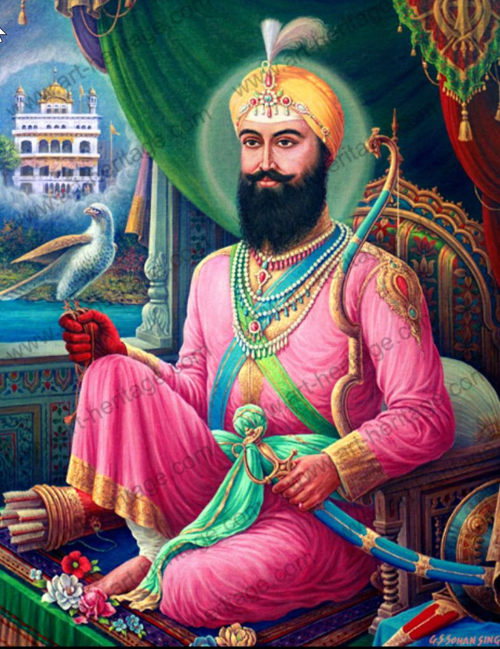
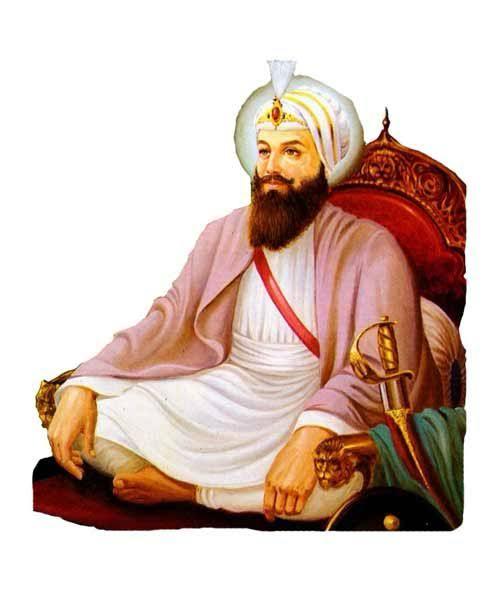
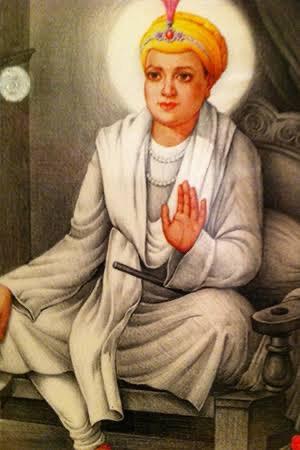
The timeless teachings of the Sikh Gurus offer profound wisdom that remains relevant to people of all backgrounds today At the core of Sikh philosophy is the belief in one God, who is formless, eternal, and omnipresent. The Gurus emphasized the importance of devotion to this divine presence through prayer, meditation, and honest living. Central to their teachings is the concept of seva (selfless service) and simran (remembrance of God), which encourage individuals to live with humility and compassion for all.The Sikh Gurus also stressed equality and justice, advocating for the rights of all individuals regardless of caste, creed, or gender. Guru Nanak, the first Guru, famously declared, "There is no Hindu, there is no Muslim," pointing out that religious divisions are human-made, and that true spirituality transcends such labels. The Gurus challenged societal norms that perpetuated discrimination and oppression, urging their followers to act in accordance with truth, love, and fairness. Another key teaching is the importance of community, symbolized by the sangat (spiritual congregation) and pangat (sharing food in equality). The Gurus taught that we should seek to uplift others, help those in need, and live in harmony with all of creation. Their wisdom continues to inspire countless people in their spiritual journey toward peace and self-realization.

Our Objective

Spread the Timeless teaching of Shiks Gurus

The timeless teachings of the Sikh Gurus offer profound wisdom that remains relevant to people of all backgrounds today. At the core of Sikh philosophy is the belief in one God, who is formless, eternal, and omnipresent. The Gurus emphasized the importance of devotion to this divine presence through prayer, meditation, and honest living. Central to their teachings is the concept of seva (selfless service) and simran (remembrance of God), which encourage individuals to live with humility and compassion for all. The Sikh Gurus also stressed equality and justice, advocating for the rights of all individuals regardless of caste, creed, or gender. Guru Nanak, the first Guru, famously declared, "There is no Hindu, there is no Muslim," pointing out that religious divisions are human-made, and that true spirituality transcends such labels. The Gurus challenged societal norms that perpetuated discrimination and oppression, urging their followers to act in accordance with truth, love, and fairness. Another key teaching is the importance of community, symbolized by the sangat (spiritual congregation) and pangat (sharing food in equality). The Gurus taught that we should seek to uplift others, help those in need, and live in harmony with all of creation. Their wisdom continues to inspire countless people in their spiritual journey toward peace and self-realization.

Preserve the Sikh Rich history Enrich Sikh culture

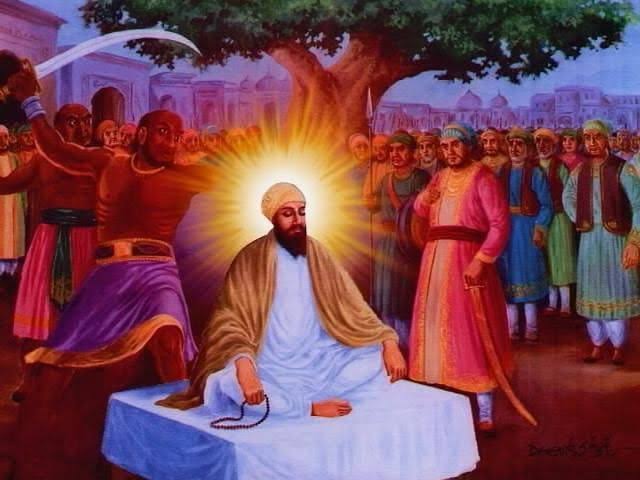
Preserving the rich Sikh history and enriching Sikh culture is vital for future generations to understand their roots, values, and legacy. Sikh history is not just about the spiritual journey of the Gurus, but also about their courageous stand for justice, equality, and freedom. From the formation of the Khalsa by Guru Gobind Singh to the sacrifices made by Sikh martyrs, this history has shaped a community that has always upheld principles of selflessness, integrity, and service. To preserve this history, it is essential to document and share stories of the Sikh Gurus, their teachings, and the pivotal events that defined the Sikh struggle for truth and justice. Museums, literature, documentaries, and digital media can play an important role in making Sikh history accessible to all, ensuring that the legacy is passed down. Enriching Sikh culture involves celebrating its vibrant traditions, arts, and festivals. Sikh music, such as kirtan, holds deep spiritual value and is an essential aspect of Sikh identity. Traditional Punjabi arts, dance, and food also carry significant cultural meaning that should be promoted. Furthermore, it is essential to uphold the core Sikh principles of equality, service, and community in everyday life. By continuing to live and share these values, the rich Sikh culture will thrive for generations to come.

Empower Youth and children

powering youth and children is crucial for building a strong, compassionate, and progressive society. The next generation holds the potential to bring about positive change, but they need the right guidance, opportunities, and resources to unlock that potential. Education is the cornerstone of empowerment, providing young people with the knowledge and skills necessary to navigate the world and make informed decisions. It also helps them understand their rights and responsibilities, building confidence and self-esteem. Equally important is instilling values such as compassion, resilience, and leadership. By teaching youth the importance of empathy, social justice, and selfless service, we can nurture a generation committed to making a meaningful impact. Encouraging involvement in community service, sports, arts, and other extracurricular activities helps young people develop a sense of responsibility and belonging, while also fostering creativity and teamwork. Support systems, including mentors, family, and friends, play an instrumental role in guiding children and youth through challenges and helping them realize their dreams. Access to mental health resources and a safe environment also ensures that children grow up with emotional well-being. By empowering youth and children, we are investing in a brighter future, one where they lead with purpose, innovation, and compassion, enriching communities worldwide.

Impower the underprivileged

Empowering the underprivileged is essential for creating a more just and equitable society. When marginalized communities are given the tools to uplift themselves, they can break the cycle of poverty and achieve self-sufficiency. The first step toward empowerment is access to education. Providing quality education to underprivileged children and adults opens doors to better job opportunities and financial independence. Education also helps individuals develop critical thinking skills, confidence, and the ability to make informed decisions. In addition to education, economic empowerment plays a significant role. Offering skills training, vocational programs, and microfinance opportunities helps individuals develop marketable skills and start their own businesses. This not only improves their economic situation but also strengthens local communities. Access to healthcare, housing, and clean water are also fundamental to improving the lives of the underprivileged. These basic necessities allow people to focus on growth and development, rather than struggling to survive. Moreover, fostering a sense of dignity and self-worth is vital. By promoting social inclusion and equality, the underprivileged can take ownership of their futures and contribute positively to society. Empowering these communities creates a ripple effect, leading to stronger, more resilient societies where everyone has the opportunity to thrive, regardless of their background.